Spider Mech: 3D Graphics & Animation
Custom 3D maths applied to an articulated spider mech, with inverse-kinematics movement, procedural shading, and a shared two-player scene.
- Custom 3D maths
- Inverse kinematics
- Procedural shading
Systems designer
I design interconnected gameplay systems in Unity and C#, using technical architecture and diagrams to clarify how rules, information, feedback, and pacing shape player choice.
Custom 3D maths applied to an articulated spider mech, with inverse-kinematics movement, procedural shading, and a shared two-player scene.

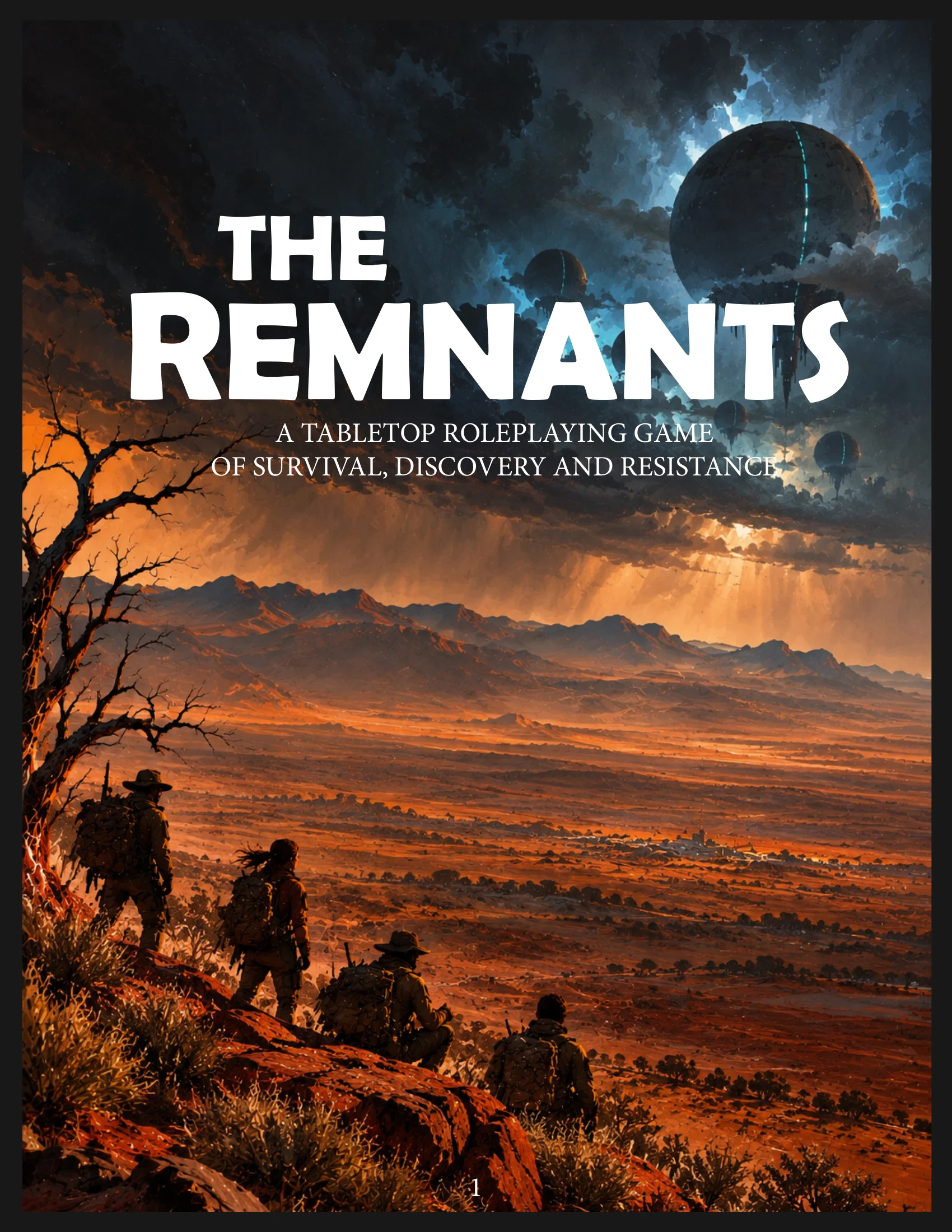
A narrative tabletop game using Fate, with worldbuilding and an investigation-led adventure shaped by player choices in post-apocalyptic Australia.

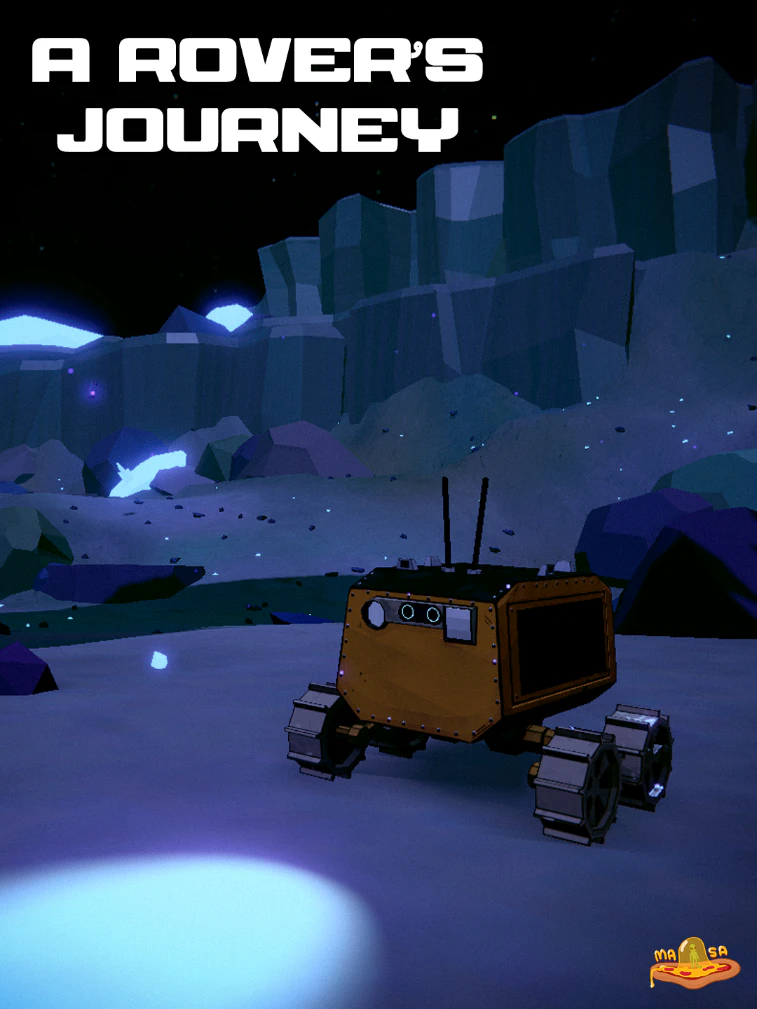
A team-built rover exploration game translating MAXART’s space-awareness brief into movement, narrative, and a stable, responsive player experience.
Custom vector and matrix maths applied to 2D movement, rotation, and scaling in Unity.
An immersive VR survival puzzle built around hands-on system restoration, diegetic environmental feedback, and player-shaped outcomes.

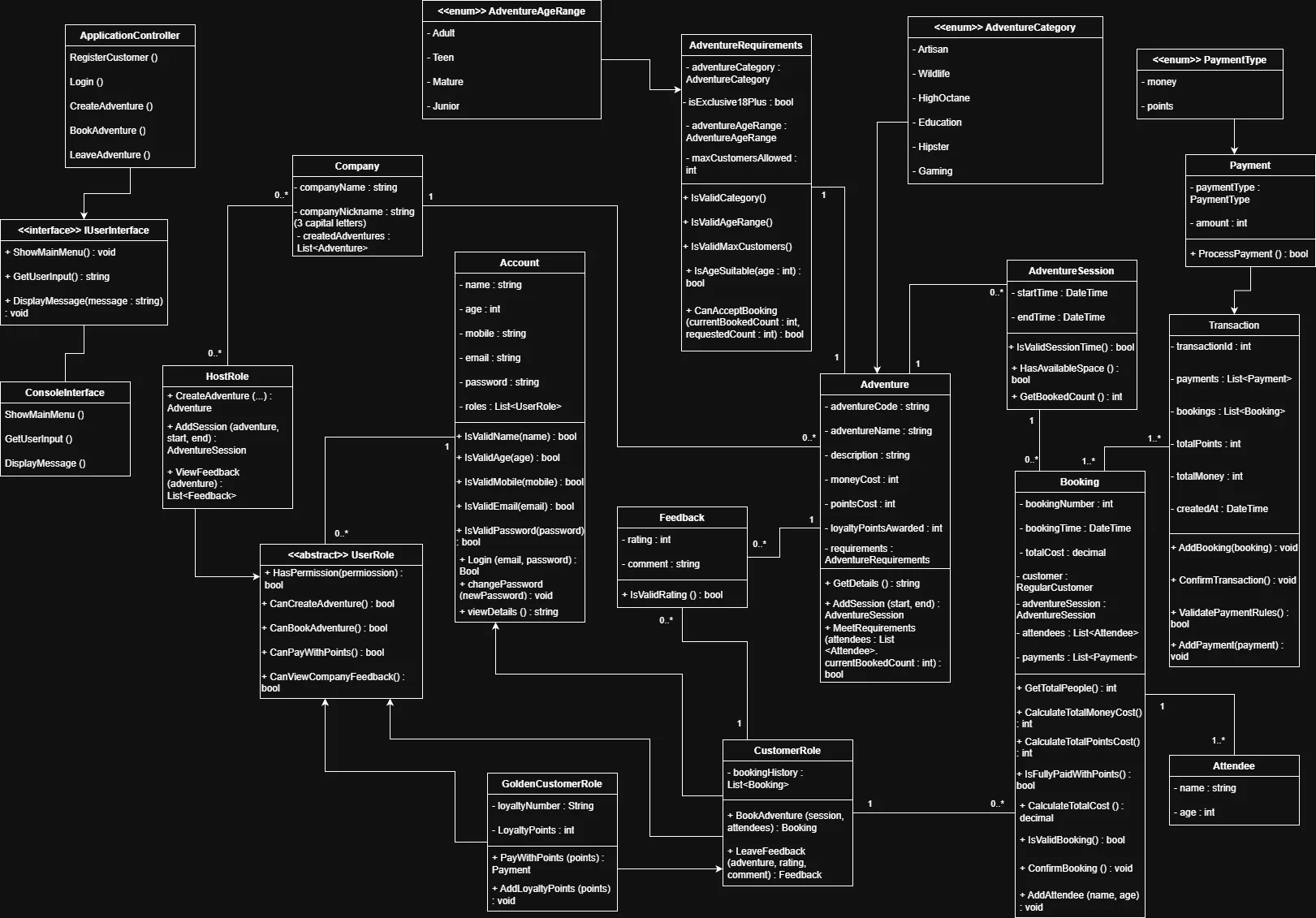
A console application translating booking rules and user roles into a connected object-oriented model.
A tower-defence game for ages 10–12 that turns renewable construction into eco-point, placement, and upgrade decisions.
An action RPG balance pass using shared stat weighting to connect equipment, skills, quests, character progression, and player build choices.
Systems design is the through-line: architecture, gameplay rules, data, performance, and player feedback shape the work.
The tools below show how those capabilities are built, supported, and verified.
Design capabilities
Applied workflow
Assisted workflow
I remain responsible for every decision, review generated output, and verify it against the project.
Presentation workflow
My completed work moves from character balance and educational mechanics to spatial VR interfaces.
Across each project, I focus on how rules, information, and feedback shape the experience of play.