Project overview
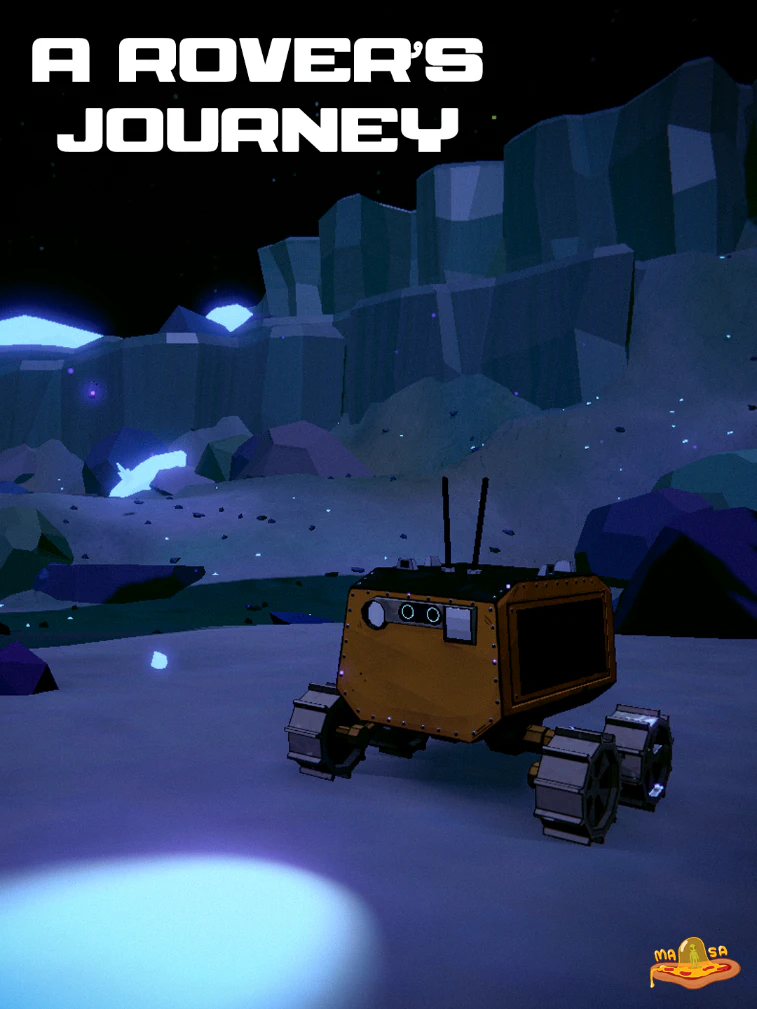
A Rover’s Journey is a team-built, third-person rover exploration game in active development, created in response to MAXART’s brief to highlight Australia’s contributions to space exploration and build greater public awareness of that work.
The team translated that brief into a small 3D vertical slice where movement, exploration, and narrative carry the subject through play.
My contribution spans project-wide performance and stability, systems architecture, rover movement and player feel, narrative QA, and structured playtest design.
The evidence below presents selected examples of how those areas support a responsive, reliable player experience rather than a complete record of every contribution.
- UnityGame implementation
- C#Movement systems
- Visual StudioDevelopment environment
- Git / GitHubTeam version control
- draw.io / diagrams.netArchitecture diagrams




Supporting detail
The evidence carousel highlights selected implementation and evaluation work across movement, input, performance, and playtesting.
The supporting detail below connects those artefacts to MAXART’s brief and to my wider contribution to the project’s systems, stability, narrative QA, and player experience.
Client brief
The challenge from MAXART.
MAXART asked our team to create a game that would highlight Australia’s contributions to space exploration and build greater public awareness of that work.
Within the project scope, this needed to become a small, polished 3D vertical slice.
The challenge was to communicate the theme through an engaging rover experience by using movement, exploration, and narrative rather than presenting the information separately from play.
My contribution
How I supported the response.
- 01
Profile and stabilise the project as a whole, resolving runtime bottlenecks and integration problems so the intended exploration experience remains reliable as the game develops.
- 02
Design core systems with clear responsibilities and boundaries, allowing movement, interaction, interface, and narrative features to be tested and refined without destabilising unrelated work.
- 03
Implement and tune the rover movement model across uneven terrain, balancing physical character, responsiveness, readability, and player control.
- 04
Support narrative QA and design structured playtests, using targeted questionnaires, observed player behaviour, and qualitative feedback to turn player responses into practical improvements.
Project focus
My core areas.
Reflection
What this work strengthened.
This project expanded my systems-design practice from implementing individual mechanics to helping a collaborative team deliver a shared client brief.
My role moves between architecture, movement, optimisation, narrative QA, and evaluation as the project evolves.
It has reinforced that performance and stability are part of design: reliable systems make movement more enjoyable, feedback clearer, and the intended space-exploration theme easier for players to engage with.
Team credits

Max Kennedy
Producer
Client Communication · Production Reporting · Scope Management · Team Coordination · Technical Art (Particle Effects) · Set Dressing · UI Support
Ben Worton
Lead Programmer
Programming Leadership · Technical Coordination · Gameplay Systems · Tools Development · Challenge Design & Implementation · Meeting Documentation
View portfolioPiper Jarvinen
Lead Artist
Art Direction · 2D Art & Graphic Design · 3D Character Art · Modelling & Materials · Technical Art (Rigging & Procedural Animation) · Marketing & Social Media Design · Pickup Visuals
View portfolioTakuma Aoki
Lead Designer
Scanner & Laser Systems Design · Challenge Design · Save System Design & Implementation · Scanner Implementation · Playtesting · Bug Fixing
View portfolioAcelin Berthelot
Systems & Gameplay Designer
Core Gameplay Design · Movement & Camera Design · Optimisation Systems · Pickup Design & Implementation · Movement Implementation · Optimisation Implementation · Narrative Writing Support
View portfolioAudrey Dai
Concept & Prop Artist
Concept Art · Modular Prop Modelling · Materials & Texturing · UV Unwrapping · Decal Design · Production Support
View portfolioEva Haraguchi
UI Programmer & Sound Designer
UI Systems · UI Design & Implementation · Sound Design · Audio Implementation
View portfolioTris Rose
Programmer & Version Control Manager
Movement Implementation · Version Control & Repository Management · Narrative Design & Writing · Research · Playtesting
Lachlan Taylor
Level & Narrative Designer
Level Design · Greyboxing & Level Layout · Narrative Design & Writing · Research · Playtesting
Supporting evidence
Systems in motion, tested in practice.
These five artefacts show selected work across rover movement, runtime performance, cross-device input, and playtest design.
Together, they demonstrate how implementation and evaluation support a responsive, stable player experience, while representing only part of my broader contribution to core systems, narrative QA, and project-wide reliability.
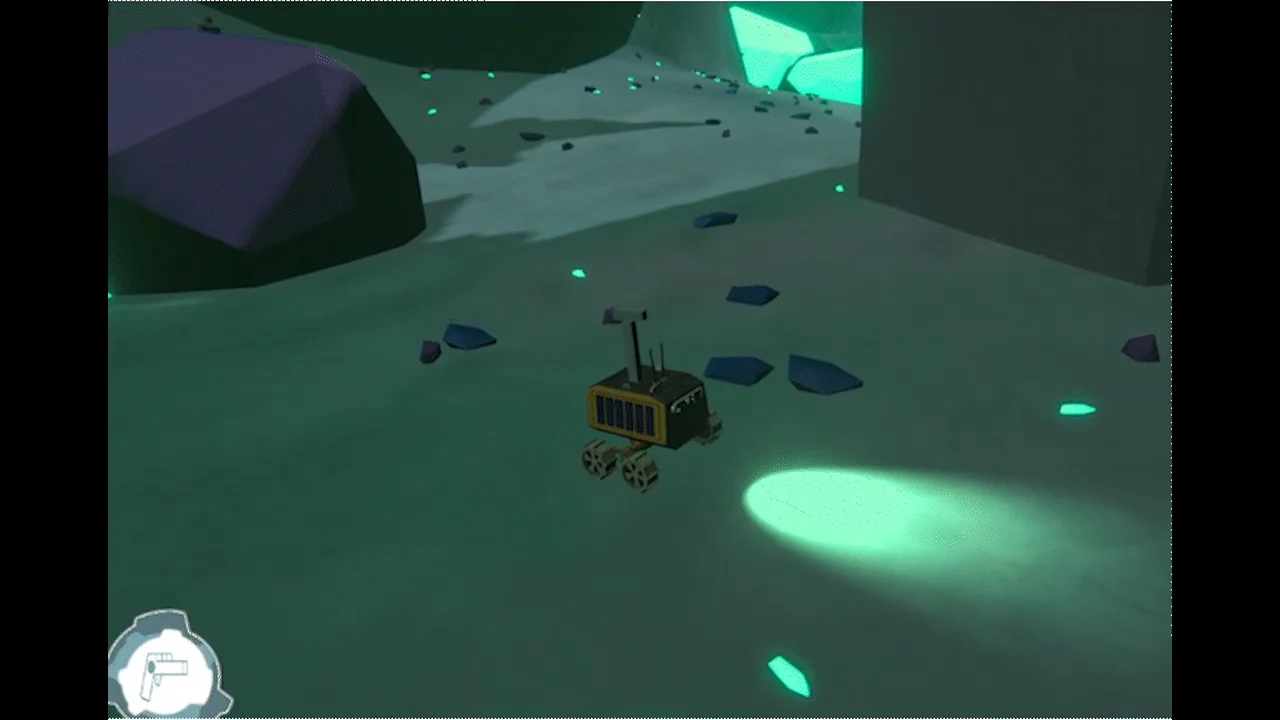 A held input makes jumping simple but expressive.
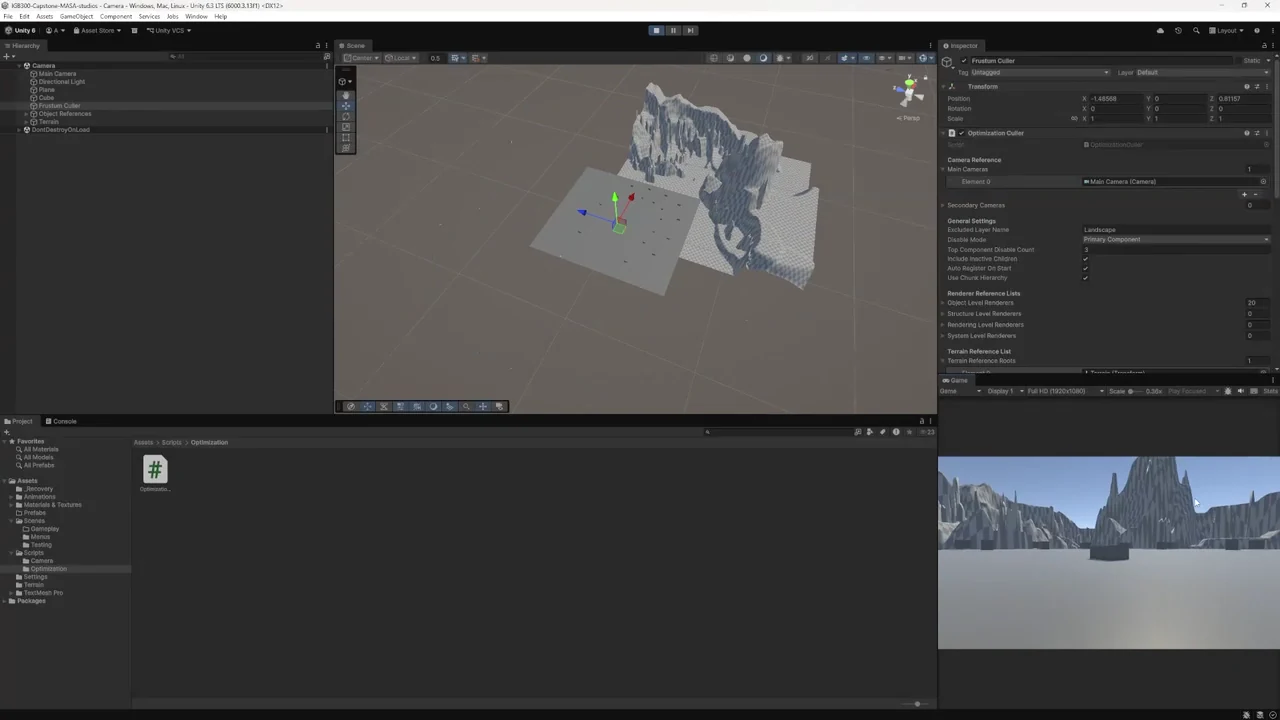 Culling protects exploration from unseen work.
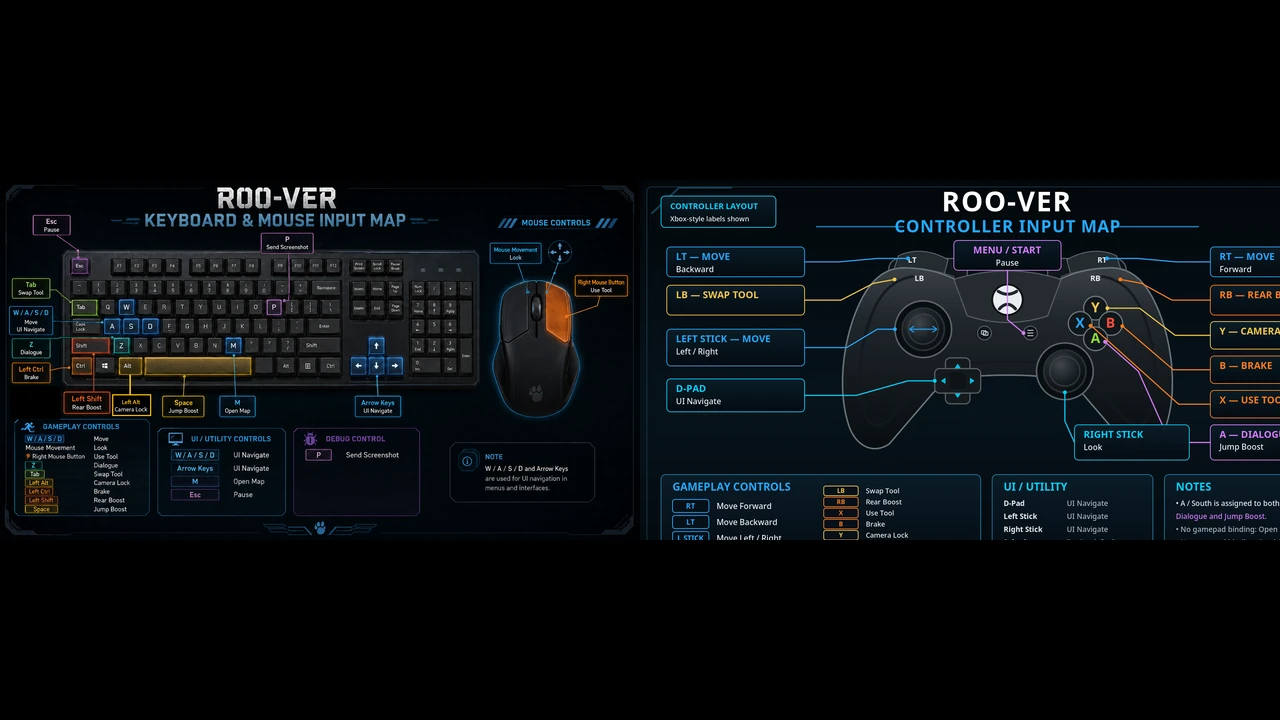 One action model keeps devices consistent.
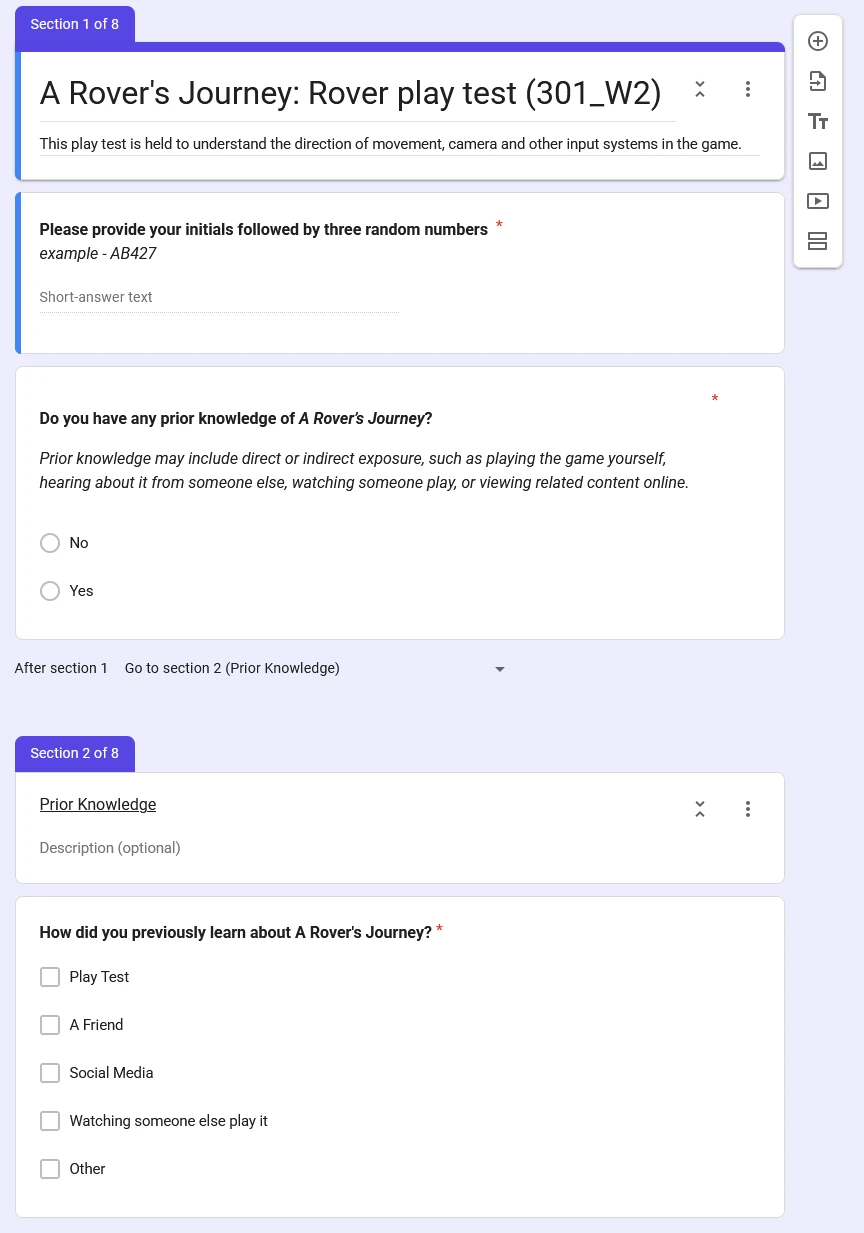 Playtest context turns opinions into actions.
Evidence 01 / 05
Airborne control preserves agency and momentum.
The aerial-control system gives players limited authority over a launched rover without erasing its physical momentum.
Airborne rotation is capped at 45 degrees; once the rover passes 20 degrees in one direction, correction remains locked that way until touchdown.
The constraint prevents rapid mid-air reversals, keeps each jump readable, and still lets players line up a landing or deliberately reach the angle used to trigger the skid system.
Evidence 1 of 5: Airborne control preserves agency and momentum.